Modernizing an old hard-bearing balancing machine
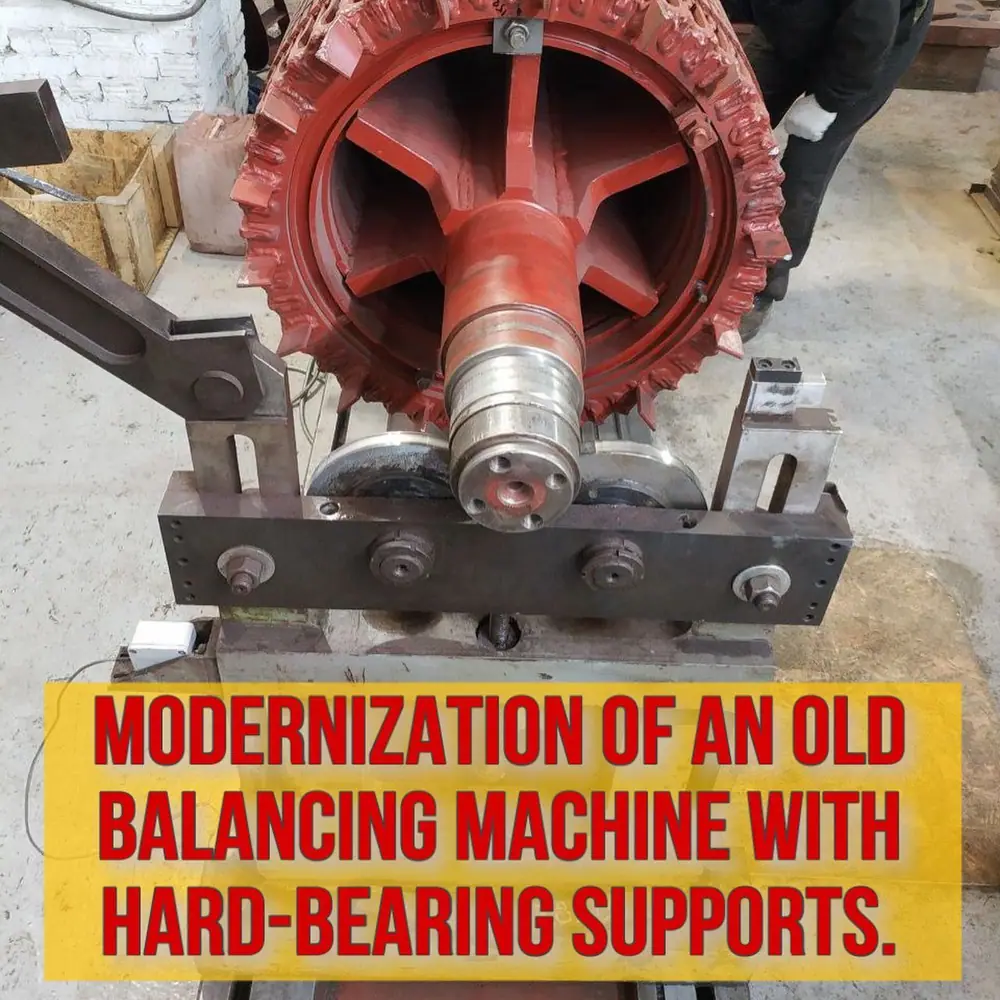
Earlier I described the modernization of an old balancing machine with soft-bearing supports. This time we look at the modernization of an old balancing machine with hard-bearing supports.
The supports of these machines are made as rigid plates with shaped grooves (slots). The natural vibration frequencies of these supports are significantly (at least 2-3 times) higher than the maximum rotational speed of the rotor being balanced on the machine.
Machines with hard-bearing supports are more versatile than machines with soft-bearing supports, as they can usually balance rotors with a larger range of mass. Another important advantage is that they allow high-precision balancing of rotors at relatively low rotational speeds, which can be within the range of 200-500 rpm and below.
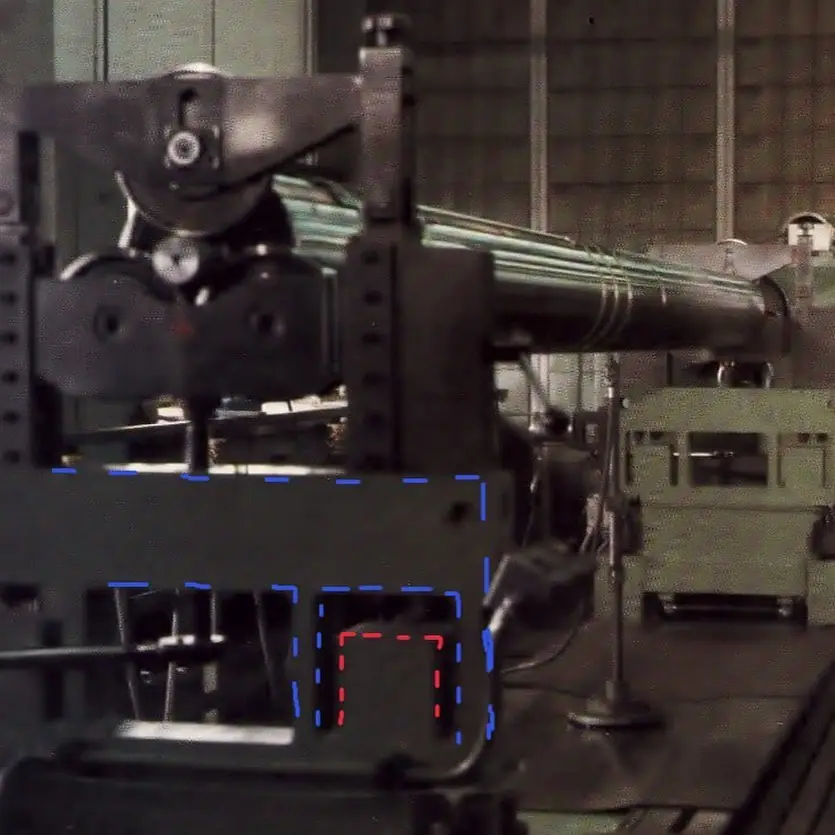
The second photo shows that individual parts of the support formed by the shaped grooves have different stiffness. Under the influence of unbalance forces on the rotor, this can lead to deformations of some parts of the support relative to others. The more rigid part of the support is marked with red dotted lines, and its relatively compliant part with blue.
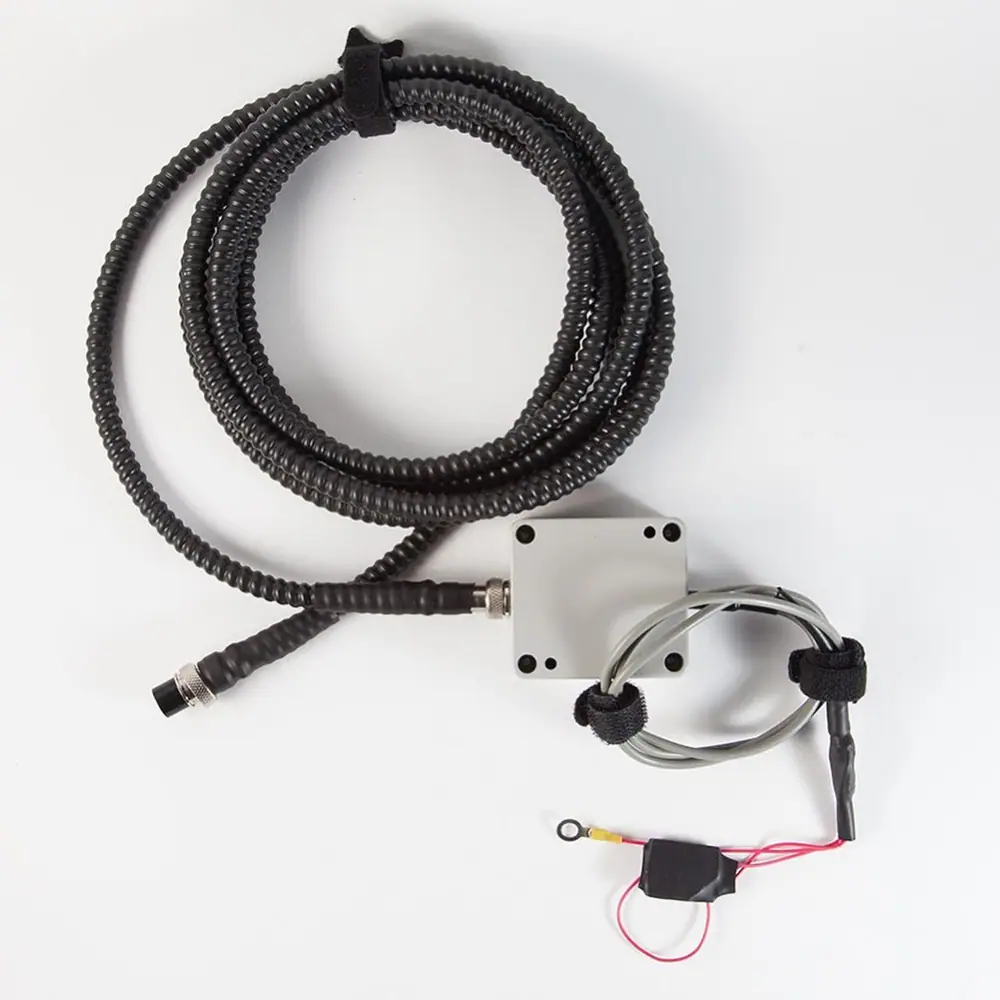
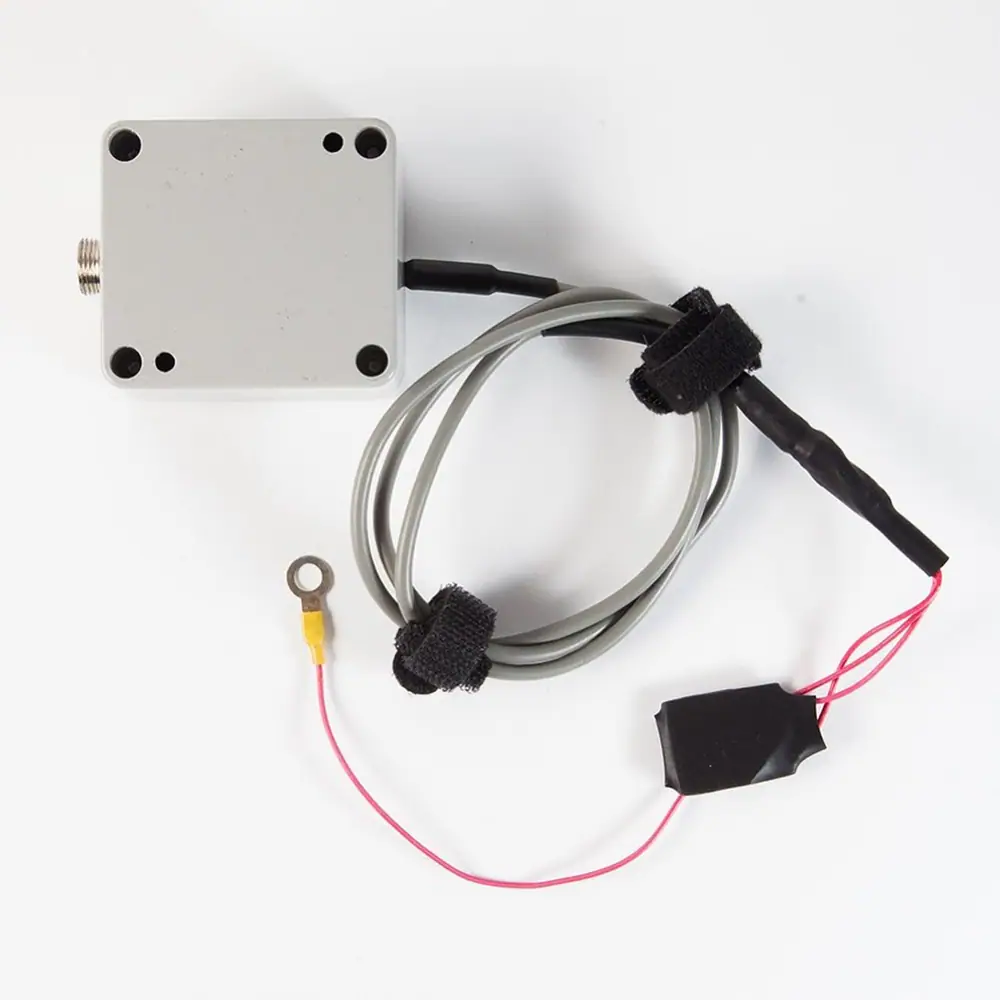
Our company has established the production of force sensors that can be connected to the Balanset-1A and Balanset-4 devices (last photo).