CASE combine rotor balancing after rasp bar replacement
Replaced the rasp bars on your CASE combine? Don't skip the balancing.
New rasp bars rarely have identical weight. Even a small difference of a few grams across the rotor creates a significant imbalance at high RPM. The result is vibration that you can feel through the entire machine, accelerated bearing wear, and the risk of a costly breakdown right in the middle of the harvest.
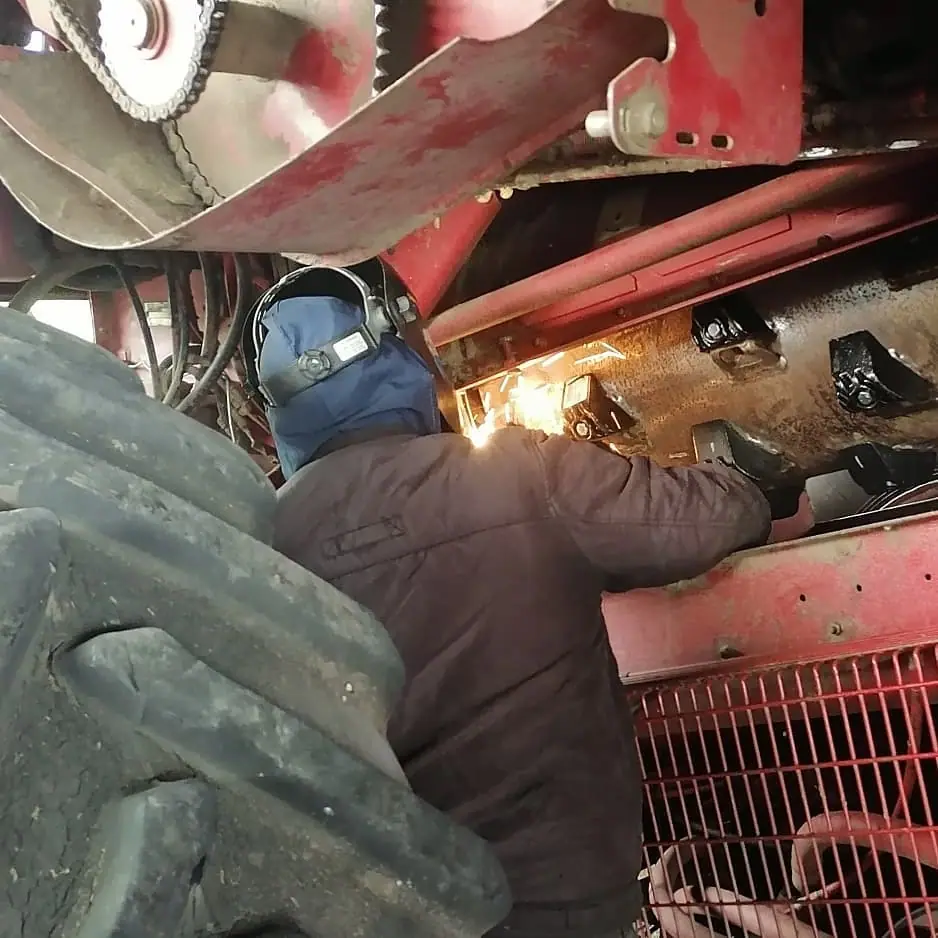
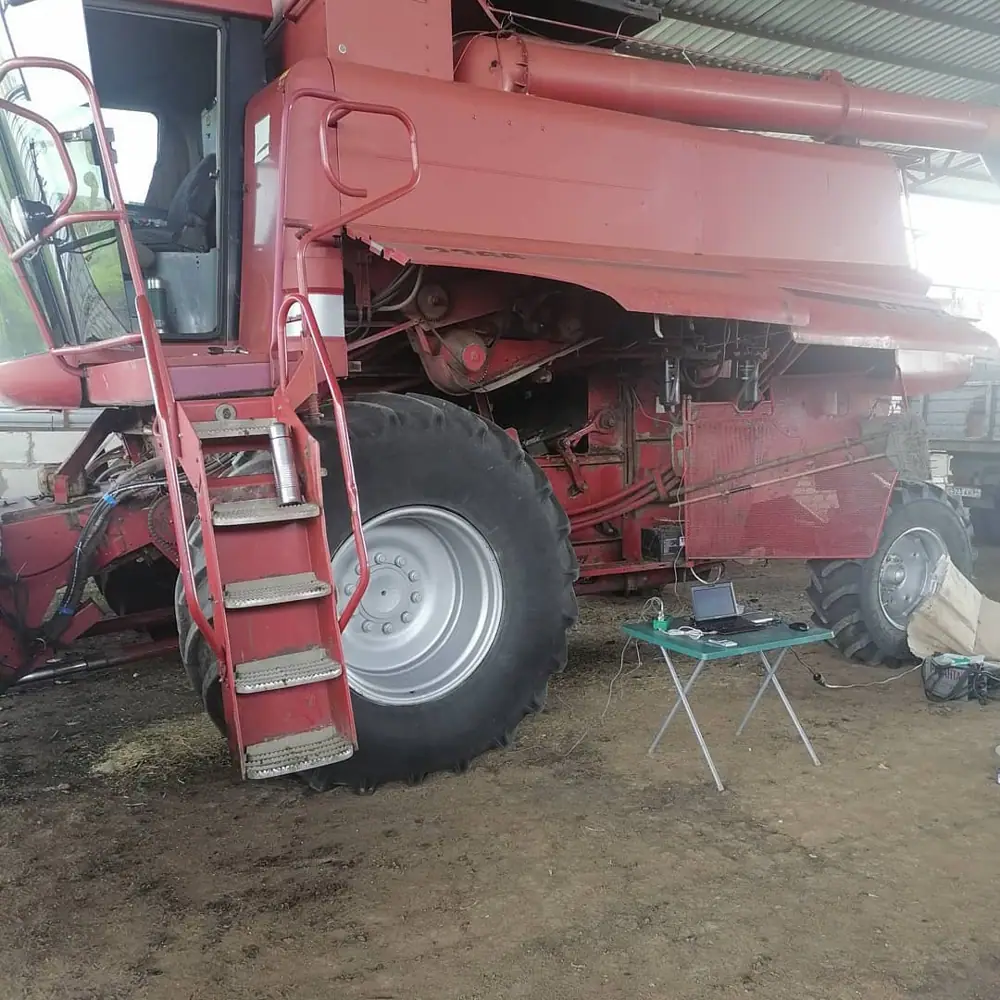
Our clients know this routine well. After every rasp bar replacement on their CASE combines, they balance the rotor on-site using the Balanset-1A portable balancing instrument. The procedure is quick and straightforward: mount the vibration sensor on the bearing housing, run a few measurement passes, and the Balanset-1A calculates the exact correction weight and where to place it. Done.
The difference is immediate. The vibration drops, the machine runs smoother, the bearings last longer, and the operator no longer feels every revolution through the cab floor.
Think of it this way: you invest in new rasp bars to keep performance up. Balancing the rotor after installation protects that investment and everything around it.
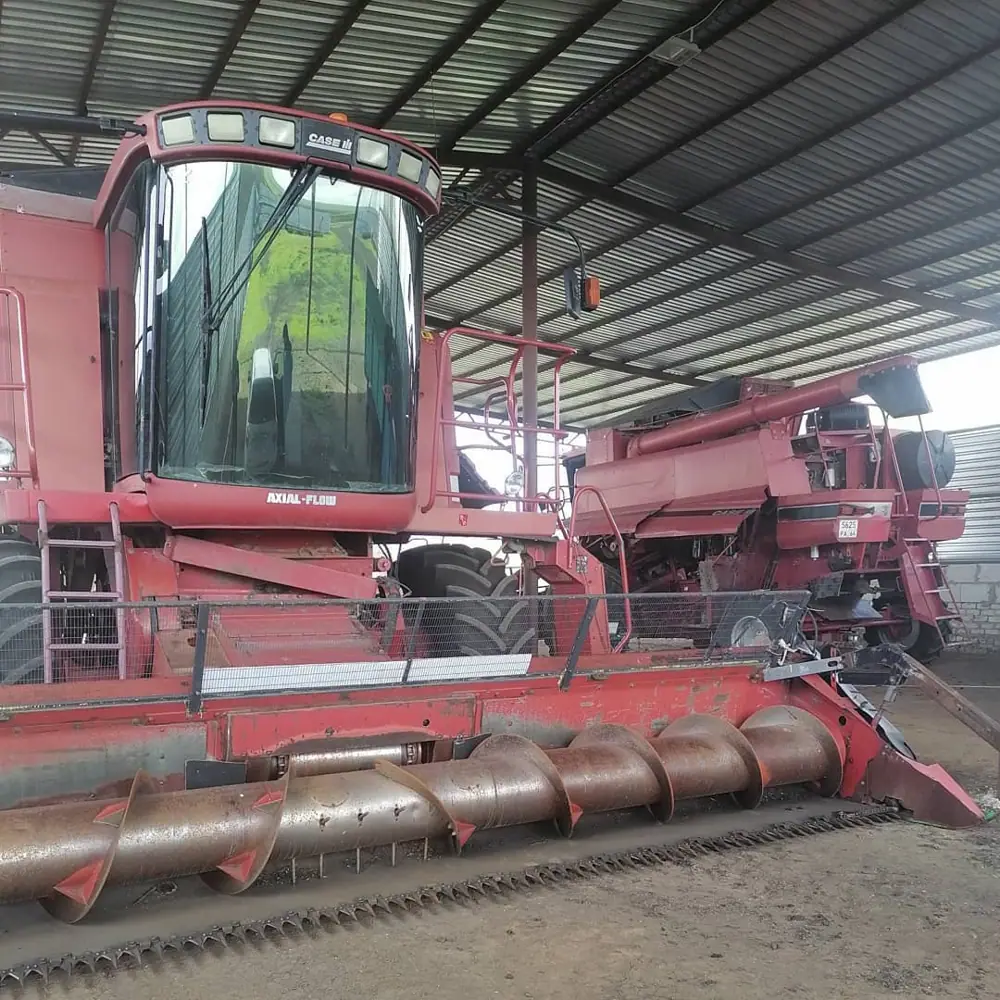
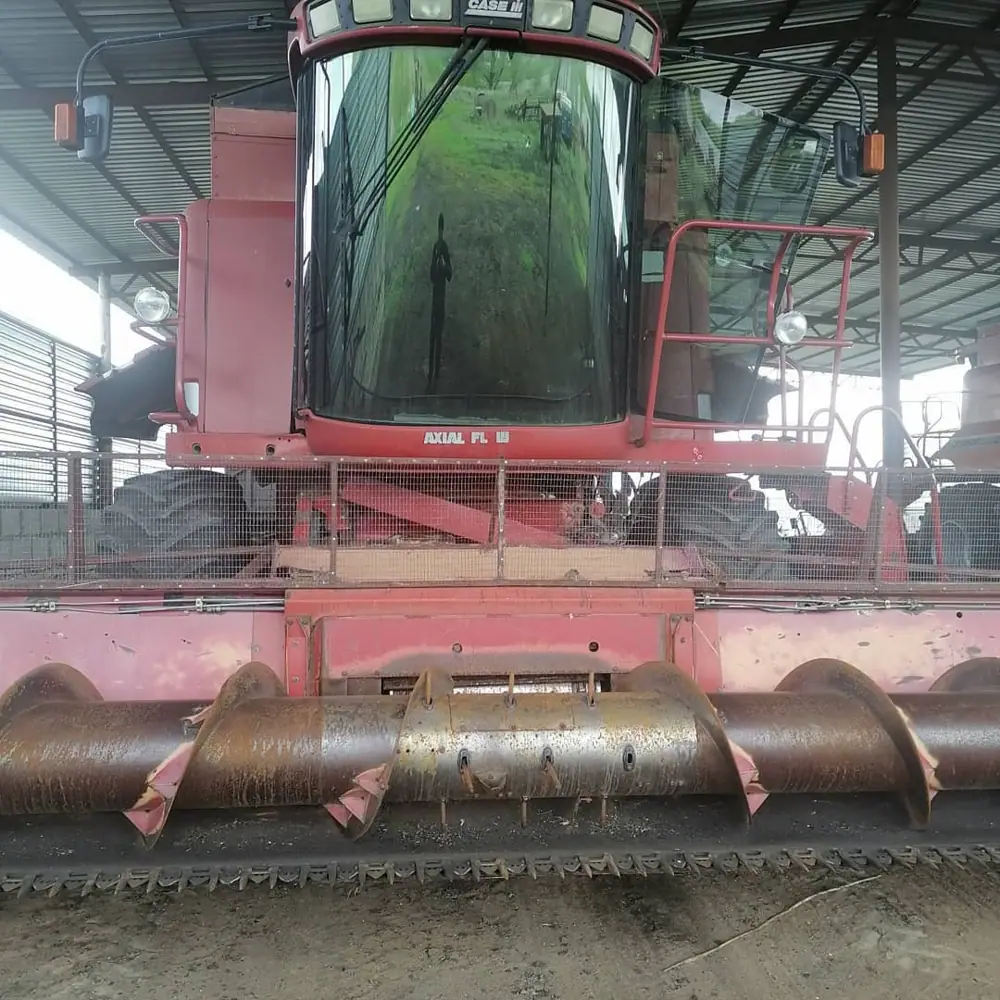
CASE combine rotor balanced after rasp bar replacement.
On-site balancing: no rotor removal, no workshop.
Fast, precise correction weight calculation with the Balanset-1A.
Vibration reduced to acceptable levels immediately.
Extended bearing, shaft and housing service life.
A must-do step after every rasp bar change.
Pro tip: always balance after replacing rasp bars, even if you installed a complete OEM set. Manufacturing tolerances add up, and your bearings pay the price.