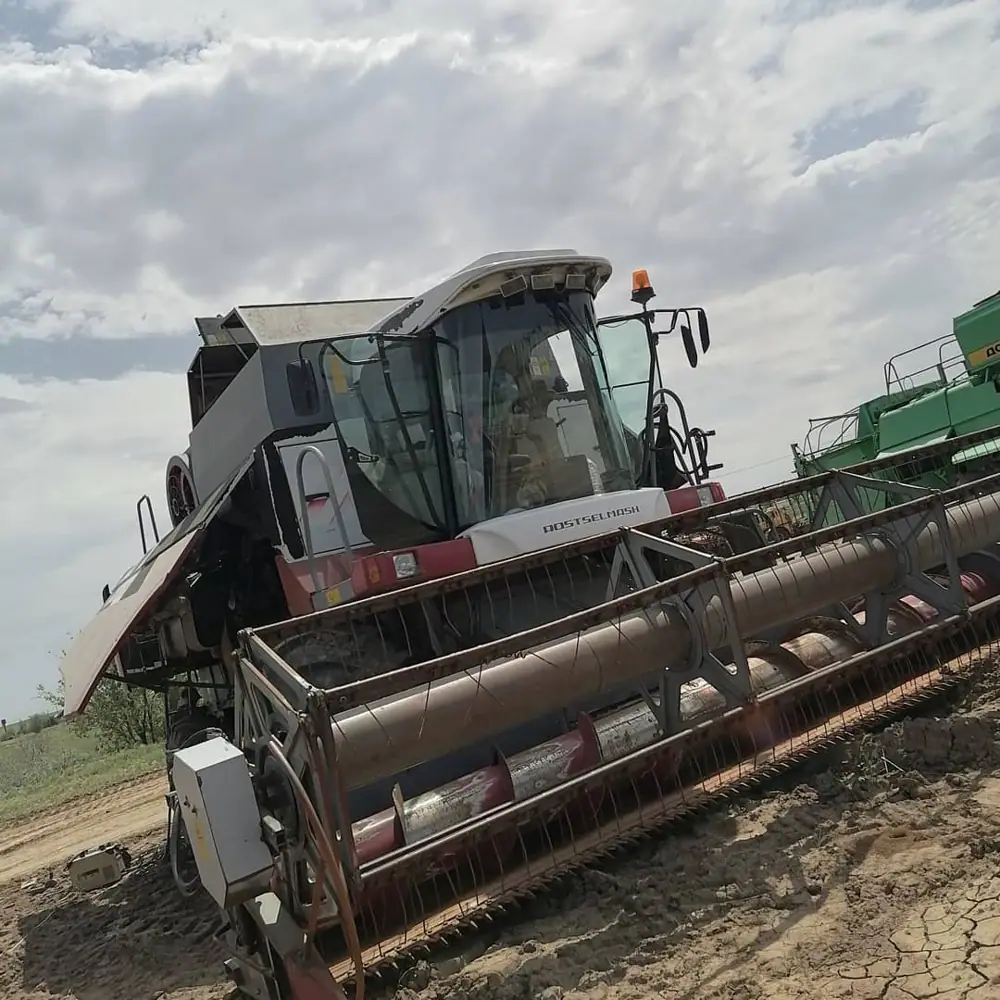
Acros 530 shredder rotor: cracks, repair, then balancing
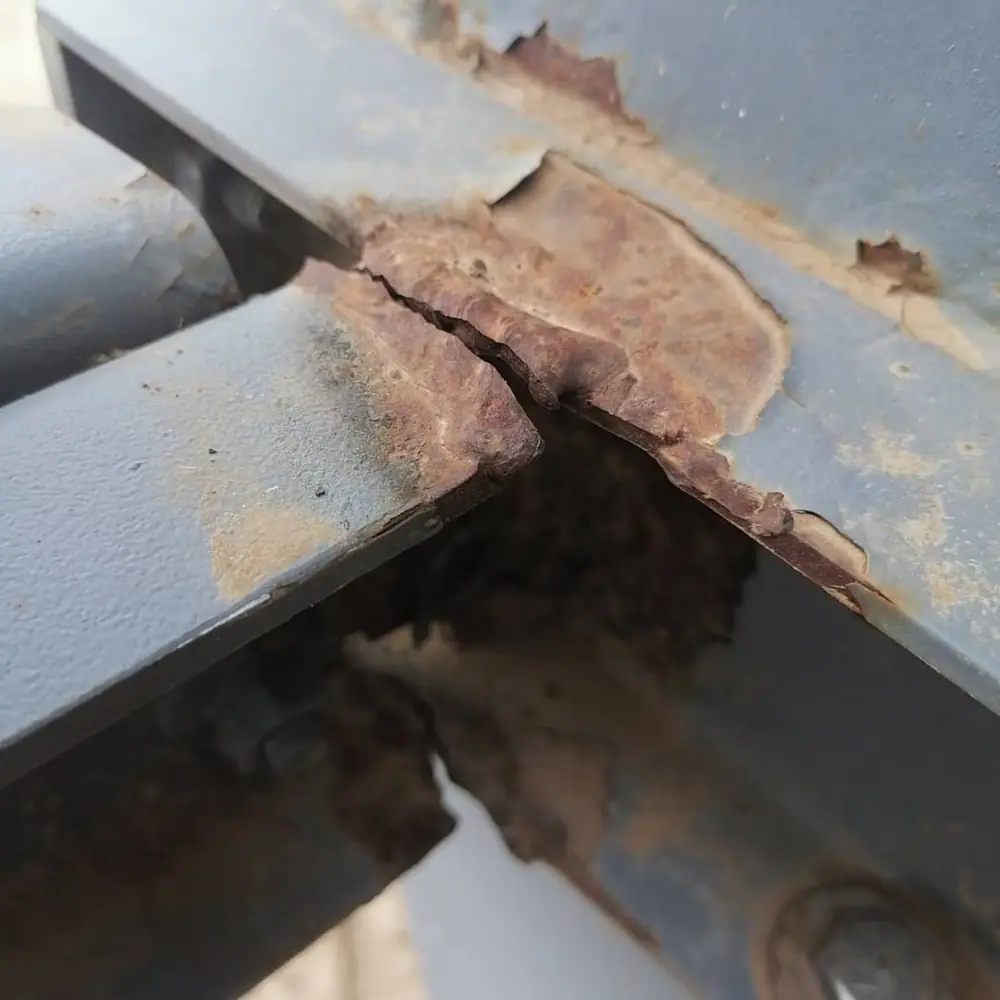
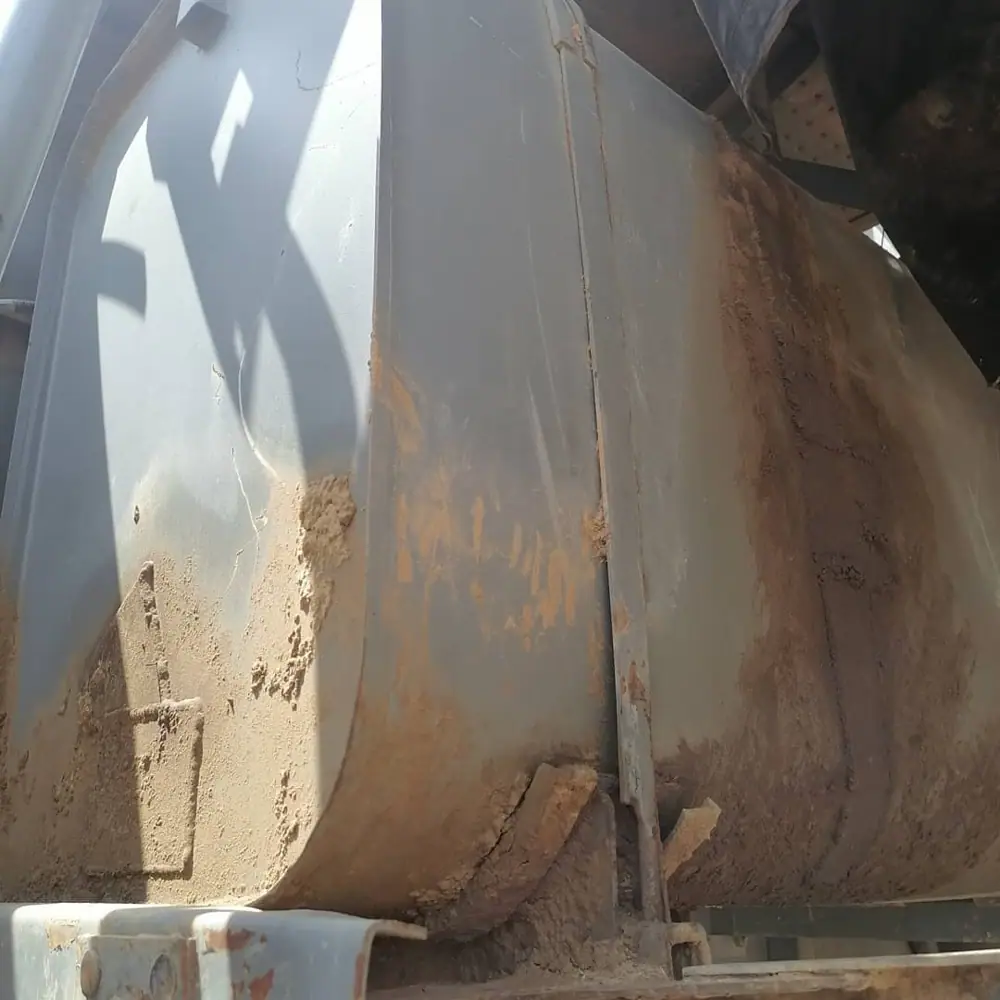
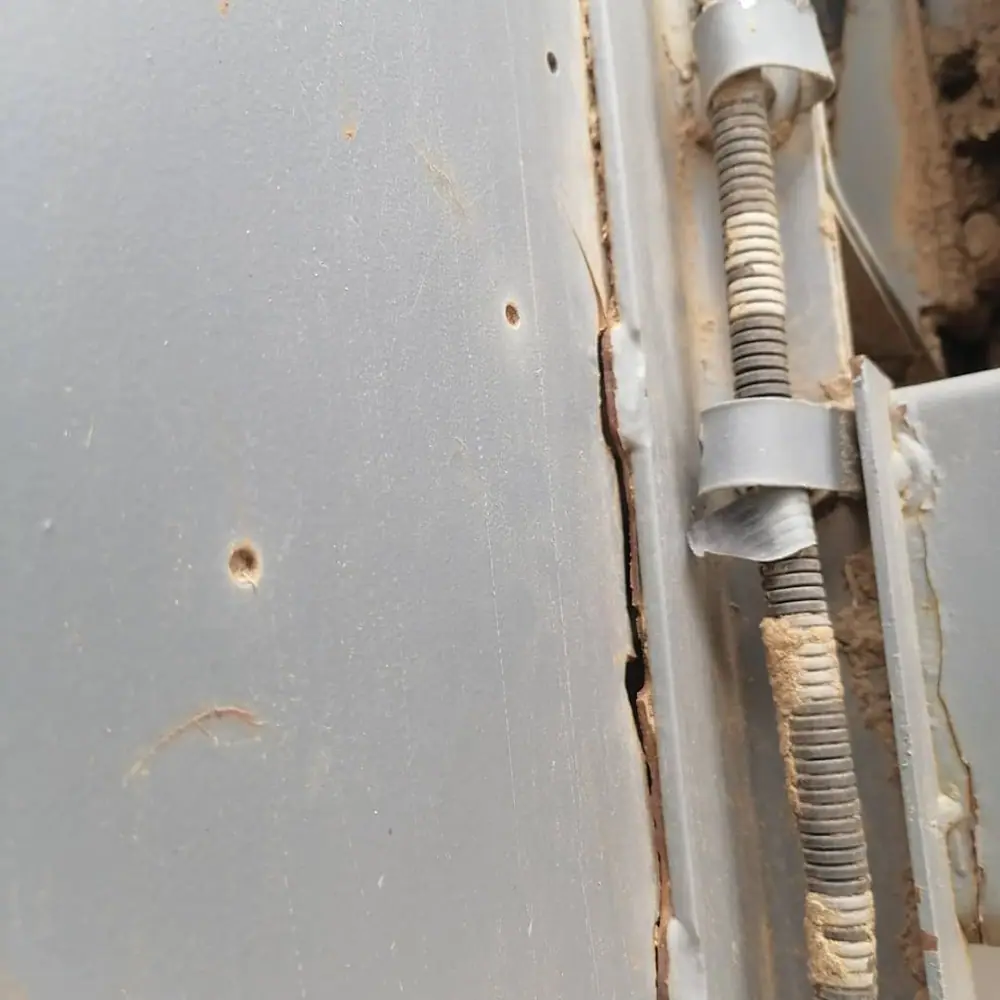
Cracks on the shredder housing: a problem that didn't have to happen.
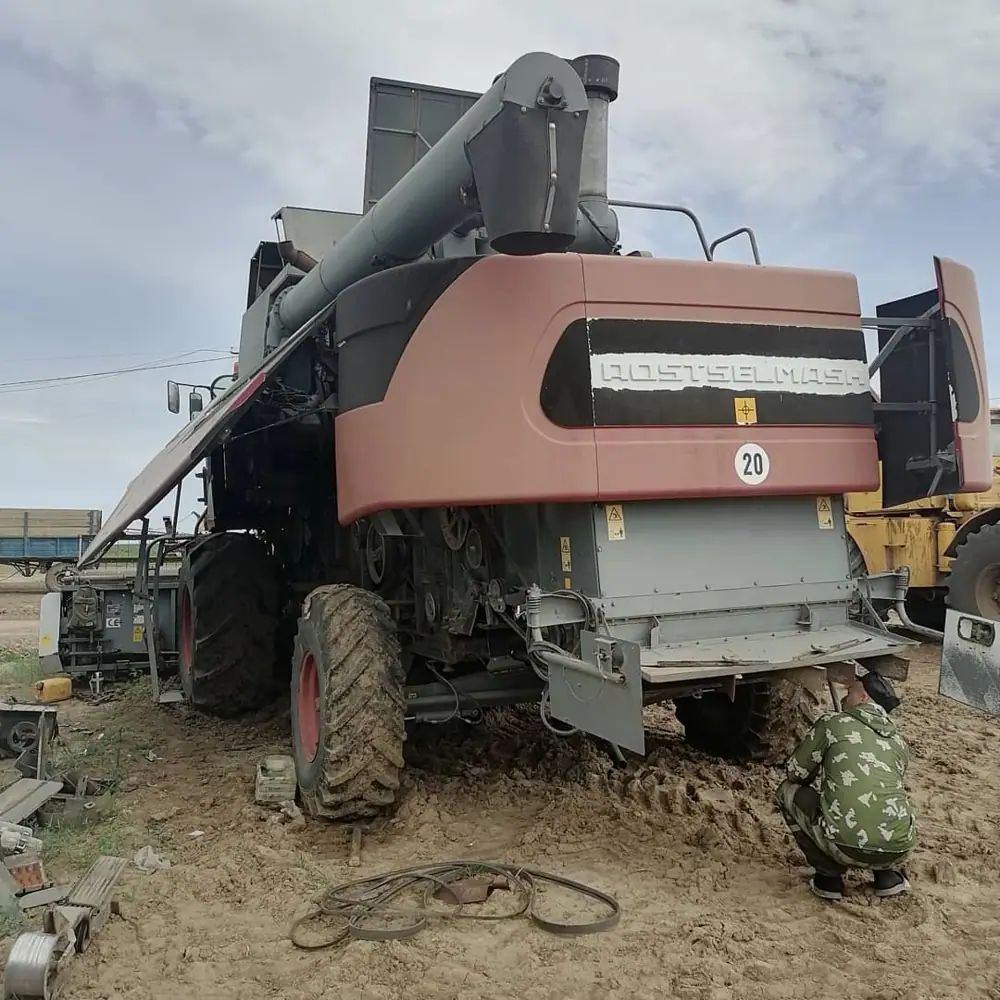
When our client called us, the damage was already visible: cracks spreading across the shredder housing on their Acros 530 combine. The cause? Prolonged operation with an unbalanced rotor. What starts as a barely noticeable vibration eventually turns into metal fatigue, stress fractures, and cracks that threaten the entire assembly.
This is how it works: an unbalanced rotor generates cyclic loads on the housing with every revolution. At working RPM, that's thousands of micro-impacts per minute. The housing flexes, the metal fatigues, and cracks appear, first small, then growing fast. By the time you see them, the damage has been developing for hundreds of hours.
Important: before balancing, all mechanical issues must be resolved first. Cracked housings need to be welded and reinforced. Damaged bearings must be replaced. All bolts must be properly tightened. Balancing a rotor on a machine with existing mechanical defects is pointless: the readings will be unreliable and the results won't last. Fix the foundation first, then balance.
Once all repairs were completed on this Acros 530, we measured the vibration with the Balanset-1A, and after balancing the levels dropped significantly. The shredder rotor was balanced on-site. The destructive force that was tearing the housing apart is now eliminated.
Balancing after repair is critical. Without it, new cracks will appear in the same spots within one season.
Balancing is the final step, not the first. Repair, tighten, check, then balance.